Overview
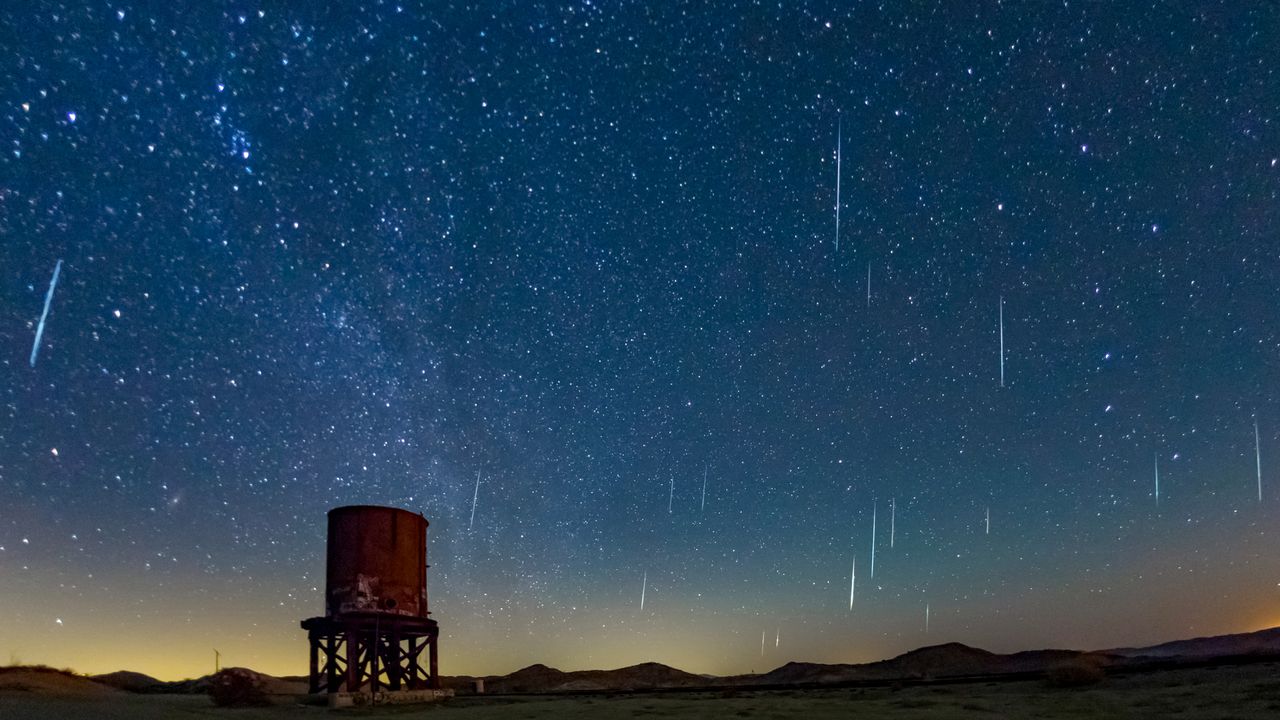
The Eta Aquariid meteor shower is an annual celestial event that occurs as Earth passes through the debris stream left by Halley's Comet. This year, the shower peaks on the nights of May 5–6, offering skywatchers a chance to witness fast-moving meteors—often called 'shooting stars.' However, a bright, nearly full moon will interfere, reducing visibility. This guide will help you prepare, locate the best observing spots, and maximize your chances of seeing these swift streaks of light despite challenging moonlight conditions.
Prerequisites
What You Need
- Dark sky location: As far from city lights as possible. Use light pollution maps (e.g., Light Pollution Map).
- Clear weather forecast: Check local conditions; clouds will block the view.
- Patience and warm clothing: Meteors can appear unpredictably. Bring blankets, chairs, and layers.
- No special equipment: Binoculars or telescopes are not recommended (they narrow your field of view). Your eyes are best.
- Optional: star chart or astronomy app: Such as Stellarium or SkySafari to locate the radiant point.
When to Observe
The peak occurs on the night of May 5–6, with best activity typically after midnight and before dawn. This year, the moon will be in a bright gibbous phase (almost full), rising around sunset and setting around sunrise, so its light will wash out fainter meteors. Plan to observe during the brief window between moonrise and dawn, or use a shield (like a building or tree) to block moonlight.
Step-by-Step Instructions
1. Choose Your Location
Select a dark site with an unobstructed view of the eastern sky (the radiant rises in the east-northeast). Avoid tall trees, buildings, and direct moonlight. If possible, position yourself so the moon is behind a structure or hill. Check the moon phase and rise/set times for your location.
2. Check the Weather and Moon
Use a weather app to ensure clear skies. For the moon, note its phase and position. A bright moon reduces visible meteors from ~30 per hour to maybe 5–10. The Eta Aquariids are known for swift, long-trail meteors; moonlight will wash out many, but you can still catch brighter ones.
3. Set Up Before Midnight
Arrive early to let your eyes adapt to darkness (at least 20 minutes). Turn off all white light sources (including phone screens). Use red light if you need to read a chart. Lie flat on a reclining chair or blanket to view as much sky as possible.
4. Locate the Radiant Point
The radiant (the apparent origin of the meteors) is near the constellation Aquarius, specifically the star Eta Aquarii. Around midnight, Aquarius rises in the east. You don't have to stare directly at the radiant; meteors will appear all over the sky. However, facing east-northeast and looking about 45–60 degrees above the horizon is a good strategy. Use an app like Stellarium to find the radiant.
5. Observe Strategically
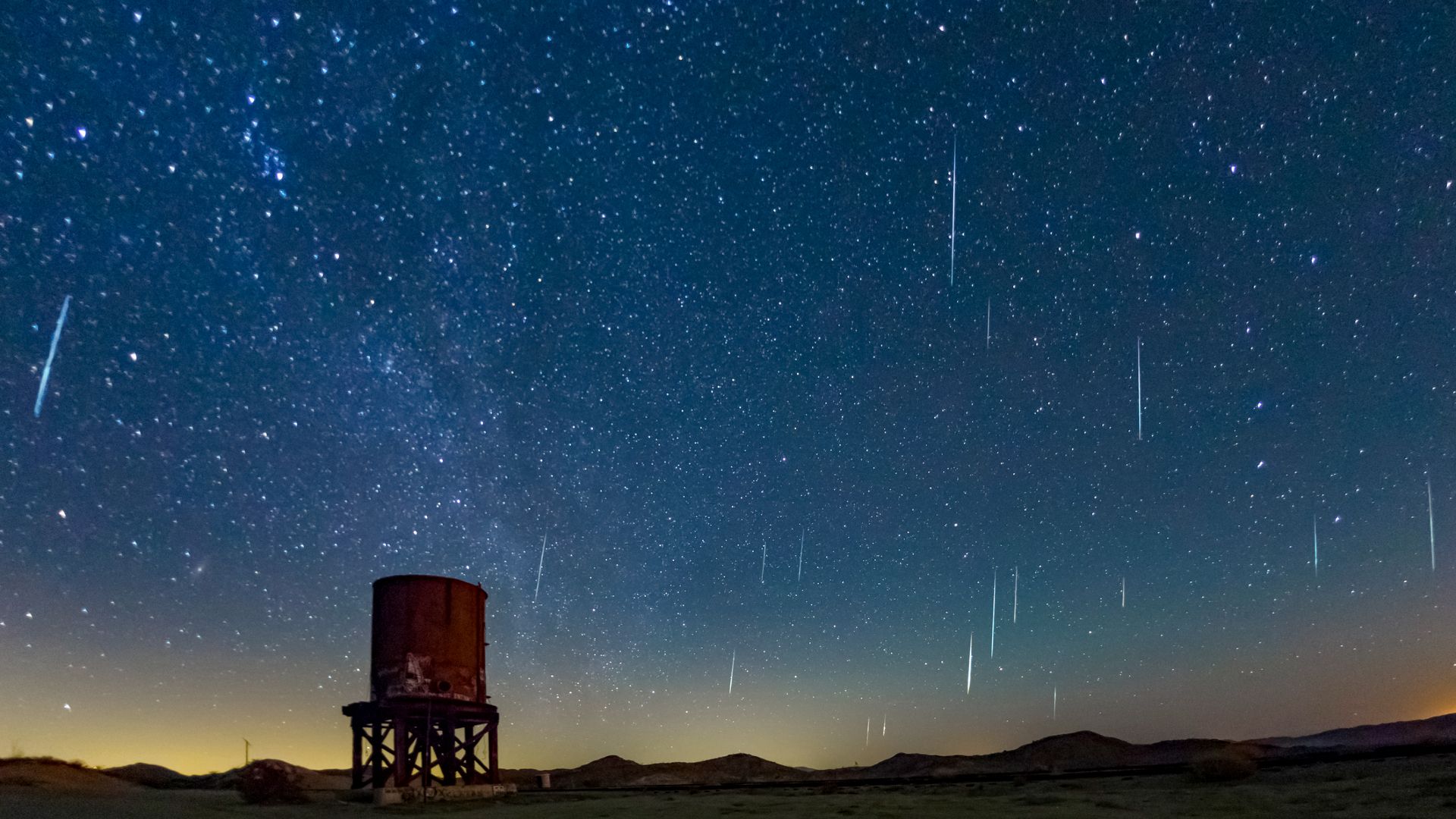
With bright moonlight, focus on the region of sky away from the moon. If the moon is in the west, look east. Position yourself so the moon is behind you or blocked. Scan the sky systematically—don't fix your gaze on one spot. Meteors will be fast (about 66 km/s) and sometimes leave persistent trains. Count each meteor you see; it helps maintain focus.
6. Take Breaks and Stay Warm
Observing for hours can be tiring. Take short breaks to stretch and warm up. Drink warm beverages. Avoid bright lights during breaks to preserve dark adaptation.
7. Document Your Observations (Optional)
Record the time, brightness, color, and path length of each meteor. This can contribute to citizen science projects like the American Meteor Society's fireball reports.
Common Mistakes
Looking at the Wrong Place
Many beginners stare directly at the radiant point, expecting meteors to appear there. In reality, meteors appear anywhere in the sky; the radiant is just where their paths seem to originate. Scan the whole sky, especially 30–60 degrees away from the radiant.
Using Telescopes or Binoculars
These instruments have narrow fields of view, making it nearly impossible to catch fast-moving meteors. Use your naked eyes for the broadest coverage.
Ignoring the Moon
This year's bright moon is a major obstacle. Don't observe with the moon in your field of view. If you can't find a shadowed spot, consider observing on a different night (e.g., a few days before or after the peak when the moon is less bright).
Not Adapting to Darkness
Your eyes need about 20 minutes to adjust to darkness. Even a quick glance at a phone screen resets that. Use red light apps or cover your phone with red film.
Expecting Too Many Meteors
Even under ideal conditions, the Eta Aquariids rarely produce more than 30–40 meteors per hour. With moonlight, you'll see far fewer. Don't be discouraged; a few bright meteors can still be spectacular.
Summary
The Eta Aquariid meteor shower peaks May 5–6, originating from Halley's Comet debris. Despite a bright moon, you can still enjoy swift meteors by choosing a dark location away from moonlight, observing after midnight, and using a wide-field naked-eye approach. Prepare for the weather, stay warm, and be patient. Even a handful of shooting stars can make the effort worthwhile. Remember to share your observations with astronomy communities!