Introduction
If you've been following smartphone tech leaks, you might have heard about Google's ambitious "Project Toscana" – an advanced IR Face Unlock system intended to rival Apple's Face ID. Originally expected to debut on the Pixel 11 series in 2026, recent leaks suggest the feature may not be ready in time. This how-to guide will walk you through the key milestones, how to interpret the leaks, and what to expect as a consumer. By the end, you'll have a clear understanding of the feature's timeline and how to stay updated without falling for misinformation.
What You Need
- A basic understanding of smartphone biometrics (face unlock vs. fingerprint)
- Access to reliable tech news sources (e.g., Android Authority, 9to5Google)
- A curiosity about product development cycles and leaks
- Patience – technology takes time!
Step-by-Step Guide
Step 1: Understand the Original Promise – Project Toscana
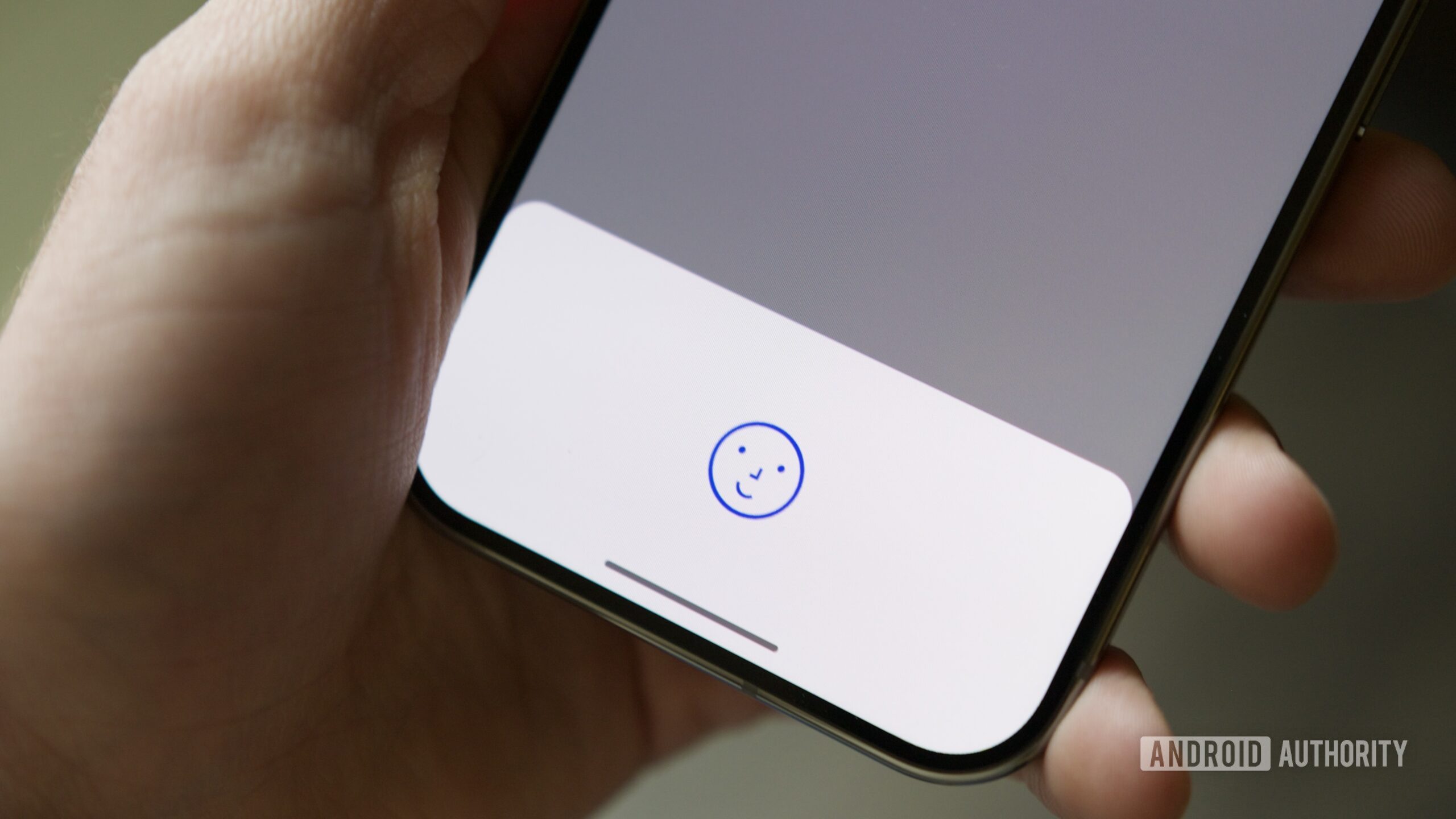
First, grasp what "Project Toscana" is. It's Google's internal codename for an infrared (IR) based facial recognition system designed to work in any lighting condition and at speeds comparable to Apple's Face ID. Unlike the current Pixel face unlock (which uses only the front camera and is less secure), Toscana uses dedicated IR sensors for depth mapping. This step sets the foundation for why the leak matters.
Step 2: Recall the Initial Leak (2024 Reports)
Back in 2024, credible sources suggested that Google was considering integrating this IR Face Unlock into the Pixel 11 series. At that time, it was seen as a major competitive move. Write down or note the original timeline: a 2026 debut. This step helps you compare with later updates.
Step 3: Check the February 2025 UX Testing Leak
In February 2025, a leak revealed that Project Toscana had entered internal UX testing on both Pixel phones and Chromebooks. Testers reported that it worked "just as quickly as Face ID" on iPhones. This seemed to confirm that the feature was on track. However, note that Google has never officially acknowledged the project. This step is crucial for understanding the mixed signals.
Step 4: Analyze the New Leak (Current as of 2025)
The most recent leak, which prompted this guide, indicates that Project Toscana may not debut on the Pixel 11 series as expected. The feature is apparently not ready for release yet. This does not contradict earlier testing; it simply means development is lagging. Look for specific wording – the leak says "may not," not "will never." This step teaches you to read leaks critically.
Step 5: Cross-Reference with Other Sources
Don't rely on a single leak. Check multiple reputable tech sites for confirmation or additional context. For example, see if Android Authority or 9to5Google have follow-up articles. Look for consensus about the delay. Also, search for any official statements from Google (unlikely, but possible). This step builds your information validation skills.
Step 6: Understand the Implications for Pixel 11 Buyers
If IR Face Unlock is delayed, you need to adjust your expectations. The Pixel 11 will still have standard face unlock and a fingerprint sensor, but the premium IR version might come later (perhaps on Pixel 12 or a mid-cycle update). Consider whether this affects your purchasing decision. For early adopters, it's a disappointment; for patient users, it's a wait.
Step 7: Set Realistic Timelines for Future Announcements
Based on typical Google product cycles, if Toscana misses Pixel 11, the next opportunity is Pixel 12 (2027). However, Google could also launch it as a feature drop on existing hardware if sensors are built in but software isn't ready. Keep an eye on the annual I/O developer conference and the Pixel Fall launch events. This step helps you plan when to expect official news.
Step 8: Stay Updated Without Getting Overwhelmed
Subscribe to RSS feeds or newsletters from trusted sources. Set Google Alerts for keywords like "Project Toscana," "Pixel IR Face Unlock," and "Google face unlock." Use social media sparingly – leaks often appear on Twitter/X, but verify before sharing. This step ensures you don't miss updates but also avoid hype.
Tips for Interpreting Leaks Like a Pro
- Consider the source: Leaks from established tipsters (e.g., @OnLeaks, @MishaalRahman) are more reliable than anonymous forum posts.
- Look for technical details: Vague claims about "advanced face unlock" are less trustworthy than specifics about IR sensors, depth mapping, and chipset integration.
- Beware of confirmation bias: If you want the feature badly, you might interpret ambiguous leaks optimistically. Always assume the worst-case scenario (delay) until proven otherwise.
- Remember development is fluid: Features get cut or delayed often. Even if testing is successful, mass production or software stability can cause hiccups.
- Use the 'Too Good to Be True' test: If a leak claims something that sounds revolutionary (like beating Face ID in speed and security), demand extraordinary evidence.
- Check publication dates: A leak from months ago may be outdated. Always note the timestamp.
By following these steps, you can navigate the confusing world of tech leaks and build a realistic picture of what's coming to the Pixel 11. Remember, patience is key – great features are worth the wait.