Introduction
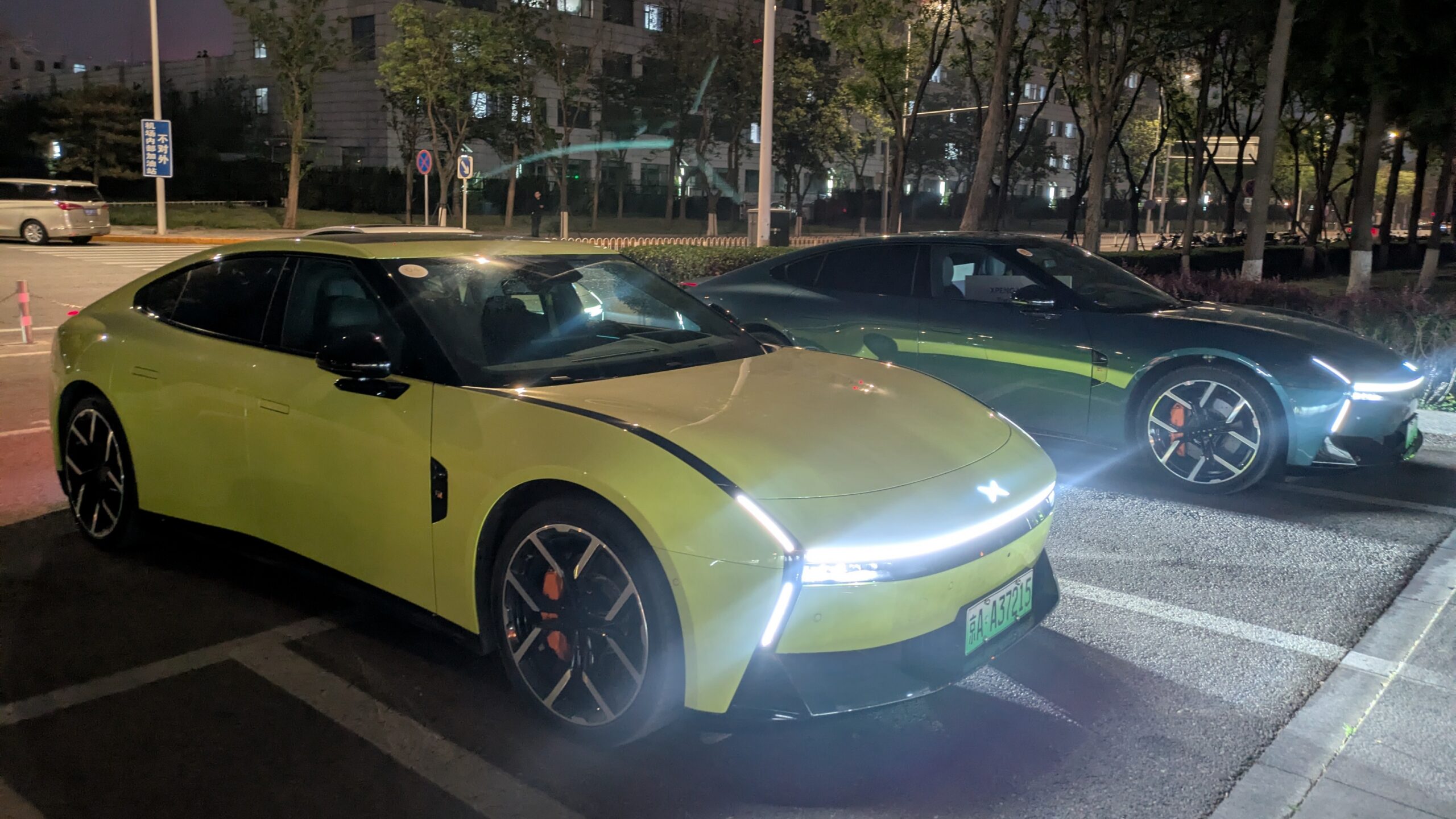
During a recent visit to China, I had the unique opportunity to test the latest advancements in autonomous driving technology by getting behind the wheel of the XPENG Next P7 Ultra equipped with the much anticipated VLA 2.0 system. This drive came just months after my first experience with XPENG's advanced ADAS on the P7+ in November, which already left a strong impression. The new iteration promises to push boundaries further, combining a genuinely sporty driving feel with confidence-inspiring self-driving capabilities.
The Evolution of XPENG’s ADAS: From VLA 1.0 to VLA 2.0
XPENG's Vision-Language-Action (VLA) architecture represents a paradigm shift in how electric vehicles perceive and interact with their environment. Unlike traditional rule-based systems, VLA integrates natural language understanding with visual inputs to make more nuanced and human-like driving decisions.
The first version of VLA, which debuted on the P7+, was already capable of handling complex urban scenarios with remarkable smoothness. However, VLA 2.0 takes this a step further by enhancing perception range, improving decision-making speed, and refining the vehicle's ability to handle edge cases such as construction zones, unmarked roads, and unpredictable pedestrian movements.
Behind the Wheel of the Next P7 Ultra
From the moment I eased into the driver’s seat, the sporty character of the P7 Ultra was evident. The chassis felt taut, the steering was precise, and the acceleration—thanks to a dual-motor all-wheel-drive setup—was exhilarating. But the real highlight was engaging the VLA 2.0 system on a mix of highways and bustling city streets.
In autonomous mode, the car exhibited a level of confidence that bordered on intuitive. It navigated tight roundabouts seamlessly, changed lanes proactively yet safely, and even handled a sudden jaywalker with a smooth, gradual brake—not the abrupt stop that many other systems would trigger. The system’s ability to understand contextual cues, such as a cyclist signaling a turn or a delivery truck partially blocking a lane, felt almost natural.
Key Enhancements in VLA 2.0
Expanded Perception and Fusion
VLA 2.0 leverages a new suite of sensors, including higher-resolution cameras and an upgraded LiDAR unit. The fusion of vision and laser data allows the system to detect objects up to 300 meters away and identify static obstacles like overturned vehicles or debris with greater accuracy.
Language-Enabled Interaction
One of the standout features is the integration of natural language commands. The driver can say “take the next exit” or “find a parking spot near the restaurant” and the system will interpret and execute the request, even learning from repeated phrasing.
Smoother Motion Planning
The decision-making algorithm has been retrained on millions of additional miles of real-world data. The result is a more fluid and human-like trajectory, particularly during lane merges and turns where jerkiness is minimized.
How VLA 2.0 Elevates the Driving Experience
The marriage of sporty dynamics and autonomous capability is rare in the EV market. Many performance-oriented cars sacrifice intelligence for raw power, and many autonomous vehicles feel numb behind the wheel. XPENG has managed to balance both: the P7 Ultra can be a thrilling sports sedan when you want to drive yourself, and a calm, reliable chauffeur when you don’t.
During my test, I deliberately switched between manual and autonomous modes. In manual, the car responded eagerly to throttle inputs and cornered flatly. In autonomous mode, the same hardware delivered a serene experience—no hesitancy, no ghost braking, just confident progress. This duality is the true achievement of VLA 2.0.
Comparison with Previous Generation
Compared to the P7+ with VLA 1.0, the Next P7 Ultra with VLA 2.0 showed noticeable improvements in several areas:
- Highway driving: More assertive lane changes, better handling of cut-ins from other vehicles.
- Urban navigation: More precise at unprotected turns and more comfortable with narrow streets.
- Parking: The automatic parking function now works in tighter spots and can back into angled spaces.
The system also demonstrated better performance at night and in light rain, thanks to the enhanced sensor suite.
Conclusion
XPENG’s VLA 2.0 on the Next P7 Ultra represents a significant leap toward truly intelligent, sporty electric vehicles. It doesn’t just drive—it drives with confidence, style, and a touch of personality. If this is a preview of what’s coming to global markets, the future of autonomous driving looks both fast and safe.
Disclosure: XPENG provided the vehicle and support for this test drive. All opinions are my own based on firsthand experience.