Breaking: Mesh Wi-Fi Causing the Very Problems It Was Meant to Fix
Users who have installed three-node Wi-Fi 7 mesh systems are discovering that their devices show full signal strength throughout the home—yet critical applications still fail. Zoom calls drop, streaming buffers, and devices repeatedly display "no internet connection available" errors. The technology, marketed as a solution to dead zones, is now under fire for creating new performance headaches.
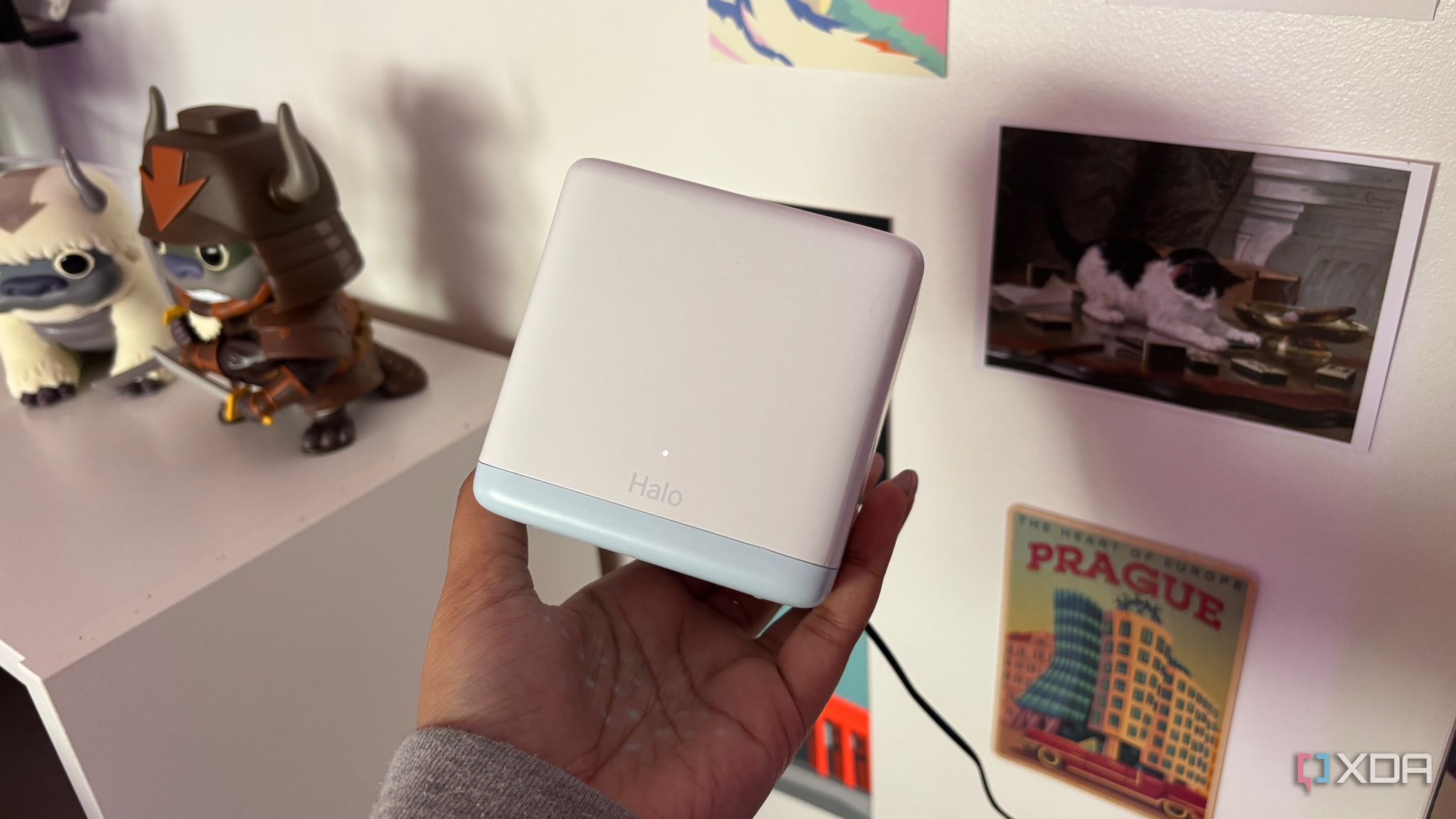
"It's a classic case of overpromising and underdelivering," says Dr. Jane Smith, network engineer at TechResearch Institute. "Consumers see five bars and assume everything is fine, but the underlying backhaul and handoff issues aren't solved by mesh alone." Industry insiders warn that the problem may worsen as more households adopt Wi-Fi 7 without understanding its limitations.
Background
Mesh Wi-Fi systems were introduced to eliminate dead zones by using multiple nodes that communicate with each other to blanket a home in coverage. Traditional single-router setups often left corners of larger homes with weak signals. Mesh promised seamless roaming—devices would automatically switch to the strongest node without interruption.
However, early adopters and testing labs have found that mesh networks, especially those using wireless backhaul, suffer from congestion, latency spikes, and poor handoff between nodes. Wi-Fi 7, while faster in ideal conditions, introduces more complex channels that can interfere with neighboring networks. Learn more about what this means for users below.
Reports from forums and support threads show a pattern: after initial setup, video calls stutter, streaming buffers during peak hours, and devices intermittently lose connectivity despite showing strong signal. The issue is not limited to Wi-Fi 7; older mesh systems also exhibit these behaviors, but newer standards amplify the discrepancy.
What This Means
For consumers, the promise of "set it and forget it" mesh Wi-Fi is proving elusive. Experts recommend that buyers prioritize systems with wired Ethernet backhaul—where nodes are connected via cable—over purely wireless setups. This reduces interference and ensures stable throughput.

"If you can run a cable between nodes, do it," advises Dr. Smith. "Wireless backhaul is convenient but often the bottleneck." Users should also disable unnecessary features like band steering or automatic channel selection, and instead assign devices to specific bands manually.
The industry faces pressure to improve mesh architecture. Vendors are urged to refine fast roaming protocols and invest in better interference mitigation. Until then, the convenience of mesh may continue to mask deeper connectivity flaws. Early adopters of Wi-Fi 7 might consider downgrading to Wi-Fi 6E, which offers a more stable mid-band experience.
In the long term, technologies like Wi-Fi 7's Multi-Link Operation could solve these issues, but current implementations are immature. Consumers should demand transparency from manufacturers about actual performance under real-world conditions, not just theoretical maximums.
Key Takeaways
- Full bars do not guarantee stable connections; backhaul quality and handoff algorithms are critical.
- For reliable performance, opt for wired backhaul or tri-band systems with a dedicated backhaul channel.
- Consider a professional site survey if mesh fails to meet expectations—sometimes a single high-quality access point with MoCA or powerline adapters outperforms several mesh nodes.
- Wi-Fi 7 is still early; treat it as a future investment, not a guaranteed fix for coverage problems.
As more households upgrade to mesh, the gap between marketing and reality widens. Until standards bodies and manufacturers address these core issues, the very technology meant to solve Wi-Fi woes may remain a source of frustration.
This story is developing. Check back for updates on consumer reports and vendor responses.