In the quest to explore deeper into space, one of the biggest challenges is protecting astronauts and sensitive electronics from harmful cosmic radiation. Now, scientists have developed a groundbreaking material that is both incredibly thin—thinner than a human hair—and stretchy like rubber, offering a new level of protection for next-generation space technology.
The Need for Advanced Radiation Shielding
Space is filled with high-energy particles, such as protons and cosmic rays, which can damage human cells, disrupt electronic systems, and cause long-term health issues. Traditional shielding methods rely on bulky materials like aluminum or water, which add significant weight to spacecraft—a critical drawback when every kilogram matters for launch costs and fuel efficiency. The new material promises to solve this by being both lightweight and flexible, making it ideal for a wide range of applications.
A Material Like No Other: Incredible Properties
This innovative shield is built from a composite that combines nanoscale layers of specific elements. Its two standout features are its extreme thinness and remarkable elasticity.
Thinner than a Hair
At just a few micrometers thick, the material is thinner than a human hair, yet it blocks a significant portion of radiation. This is achieved through a unique structure that absorbs or deflects incoming particles. Because it is so thin, it can be integrated into spacesuits, rover components, or satellite casings without adding bulk.
Stretchy like Rubber
Unlike rigid metals, this material can stretch to several times its original length without tearing. This elasticity allows it to be used in moving parts, such as joints in robotic arms or expandable habitats, where flexibility is crucial. It can also conform to irregular surfaces, making it easy to apply as a coating or liner.
How It Works: The Science Behind the Shield
The material's ability to block radiation comes from its layered composition. Researchers embedded nanoparticles that are heavy and dense within a stretchy polymer base. When high-energy particles hit the material, they interact with these nanoparticles, losing energy and being scattered. The polymer matrix also helps absorb secondary radiation. Tests have shown that the material reduces radiation exposure by up to 80% compared to unprotected surfaces.
Applications in Next-Gen Space Tech
The potential uses for this thin, stretchy shield are vast:
- Spacesuits: Astronauts on the Moon or Mars could wear suits lined with this material, protecting them during spacewalks or surface exploration.
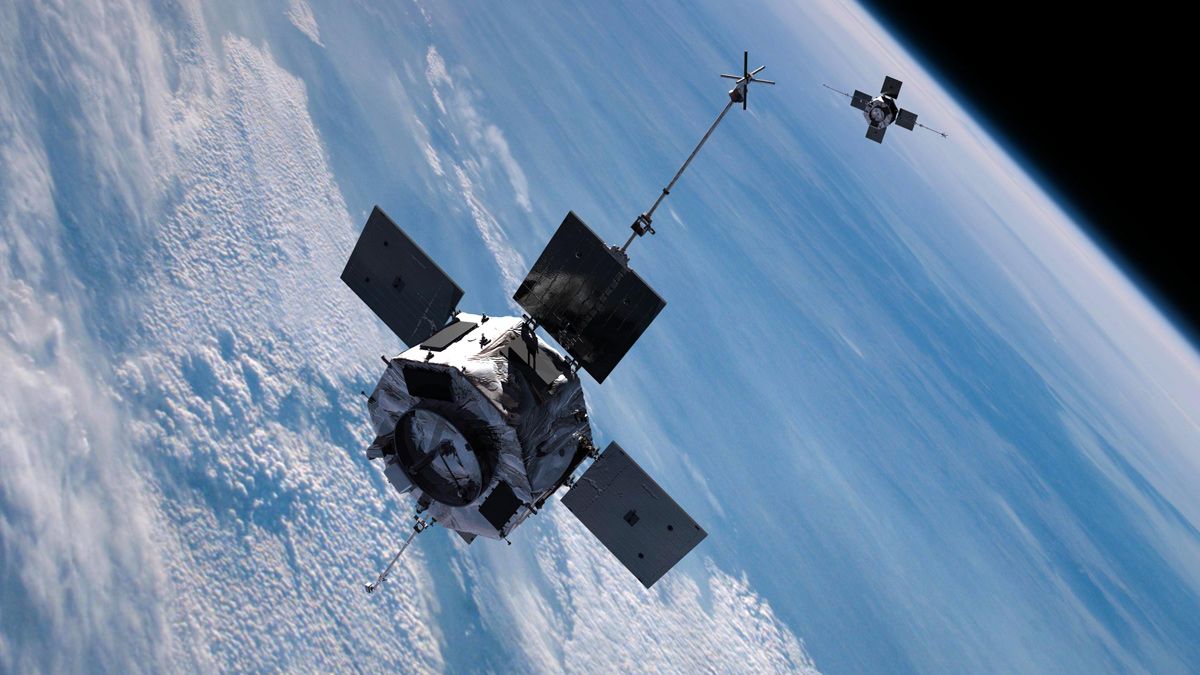
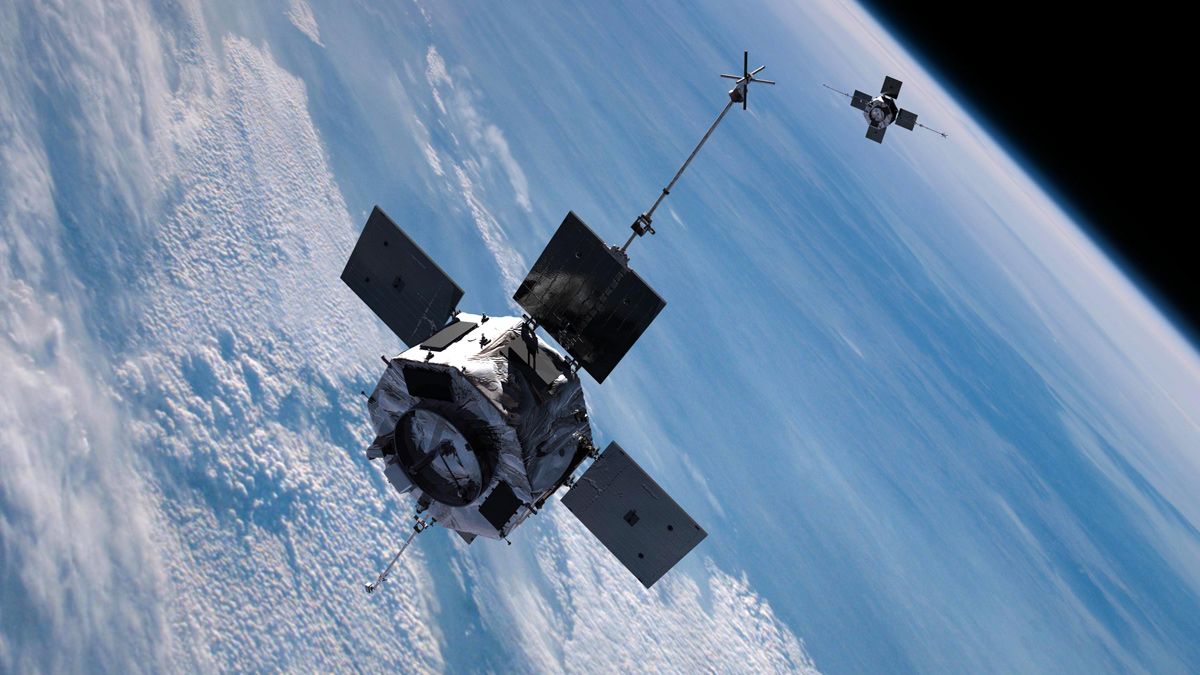
- Satellites and spacecraft: Wrapping electronic components in the material can prevent glitches caused by radiation, extending the lifetime of missions.
- Inflatable habitats: Future space stations or lunar bases may use expandable modules that require flexible shielding; this material can be integrated into their walls.
- Radiation vests for crew: Inside spacecraft, crew members could wear lightweight vests made from the material during solar flares.
Because the material is so thin and lightweight, it can be stored compactly and deployed quickly. It also has the flexibility to adapt to different geometries, making it a versatile addition to any space mission.
Looking Ahead: From Lab to Launch
While the material has been successfully tested on Earth, the next steps involve verifying its performance in the harsh conditions of space. Researchers plan to send samples on the International Space Station and later on lunar missions to test their long-term durability. If successful, this material could become a standard component in all future spacecraft designs.
The development represents a major leap forward in space technology. By combining ultra-thin dimensions with rubber-like stretchiness, scientists have created a radiation shield that is both efficient and practical. It may not just protect electronics and humans—it could enable missions to Mars and beyond by reducing the weight and complexity of current shielding methods.
Conclusion
The new material is a perfect example of how innovation at the nanoscale can solve large-scale problems. With its unique properties, it paves the way for safer, more efficient space exploration. As we look toward sending humans deeper into the solar system, such technologies will be indispensable.