From Toy to Tool: Google's New Creative Direction
In the summer of 2025, Google quietly released its Nano Banana image-generation tool, and the internet immediately took notice. The tool’s ability to intelligently edit existing photos made it a viral sensation. Today, Google reports that users have generated over 50 billion images using Nano Banana—a testament to the sheer scale of AI adoption. But for all that usage, a troubling pattern emerged: most people treat these tools like a coin-operated vending machine—type a prompt, get a result, and move on. Google Labs VP Elias Roman acknowledges this reality: “These tools started as something you put a prompt into and then get an output out of, like a coin-operated [machine].” Now Google wants to change that narrative. The company is shifting its focus from one-off creations to building sophisticated AI products that become indispensable companions for artists, filmmakers, and designers throughout their entire creative process. “We’re really building a new Google product line that’s entirely dedicated to creativity,” Roman says.
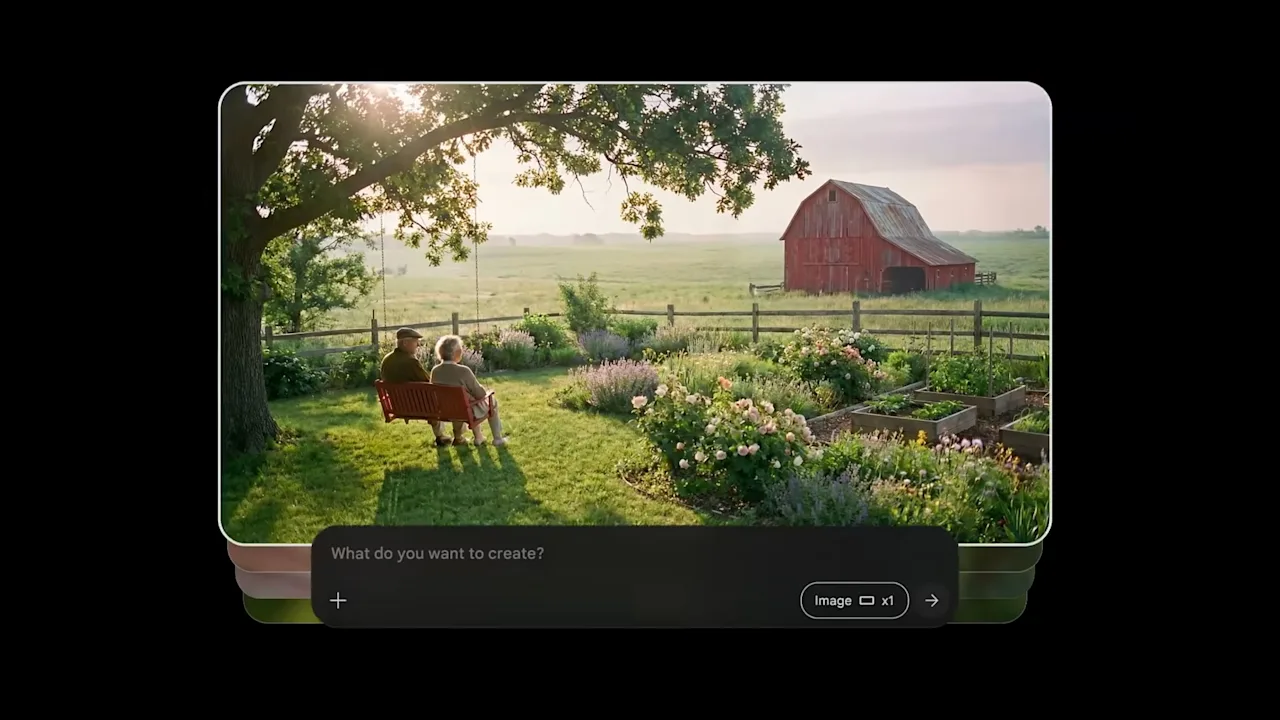
Flow: The Heart of Google's Creative Platform
At the center of this new strategy is Flow, an online video-generation platform developed by Google Labs. First unveiled at Google’s 2025 developer conference, Flow started as a straightforward tool: users could generate static images and 8-second video clips from text prompts. But at this week’s Google I/O, the company revealed a major update that transforms Flow from a simple generator into a full creative assistant.
From Single Assets to Entire Workflows
The updated Flow now lets users chat with an AI agent to brainstorm ideas, build storyboards, develop consistent character art, and even generate complete videos. For video generation, Flow harnesses the power of Google’s new Gemini Omni model, which brings Nano Banana’s editing intelligence to the video domain. This means users can modify clips with the same ease they edit photos. The system also maintains stylistic coherence: for example, Flow can preserve the same camera lens look across every shot, eliminating the need to re-specify details in each prompt. “Flow is evolving from this prompt-in, content-out tool to an agent that’s a copilot at every step of the creative process,” Roman explains.
Empowering Creators to Build Their Own Tools
Google understands that no single tool fits every creative workflow. That’s why Roman says the platform will allow users to customize Flow itself. “Creators basically vibe-code any tool or workflow they want,” he notes. By conversing with the AI agent, filmmakers and artists can design new capabilities: apply custom video filters, generate side-by-side comparisons of two clip versions, or automate repetitive tasks. And these custom tools aren’t locked away—users can share them publicly, and others can even remix them. “Once you make a tool, it’s shareable and even remixable by anyone else on the platform if you choose to make it public,” Roman adds. This open approach could turn Flow into a collaborative ecosystem where professionals build on each other’s work.
The Road to Professional Adoption
Despite these ambitious plans, Flow remains a Google Labs project for now. Transforming it into a full-fledged product capable of competing with established creative industry leaders like Adobe won’t be easy. But the company’s strategic shift in how it positions Flow suggests a serious commitment. By focusing on the entire creative process—not just isolated outputs—Google aims to earn the loyalty of professionals who need reliable, long-term tools. The challenge lies in proving that an AI-first platform can match the depth and reliability of traditional software, while also offering the unique generative capabilities that only AI can provide. If Google can pull it off, Flow may become the new standard for creative production, taking artists from initial idea to final video all within one ecosystem.
For now, the industry watches closely as Google bets on a future where AI isn’t just a novelty machine, but a true partner in creativity.