Block-based editors have become the standard for modern web content creation, but each platform implements them in isolation—leading to a fragmented ecosystem. The Block Protocol aims to change this by creating an open standard that makes blocks portable across any application. In this Q&A, we explore what the Block Protocol is, why it matters, and how it benefits developers and users alike.
What is block-based editing, and why has it become so popular?
Block-based editing is a user interface concept where content is composed of discrete, reusable units called blocks. These blocks can be paragraphs, images, videos, tables, or even complex widgets like kanban boards or calendars. The approach has gained widespread adoption in tools like WordPress, Notion, Medium, and most modern note-taking apps. Users love it because it provides a visual, intuitive way to build rich documents without coding. By clicking a “+” button or typing a slash, they can insert any block type they need, rearranging them freely. This modularity makes editing feel like assembling a puzzle, where each piece is independent yet connected. The popularity stems from its simplicity and flexibility—it turns rigid text editors into dynamic content builders. However, the problem is that every platform has reinvented the wheel, creating proprietary block systems that don't talk to each other.
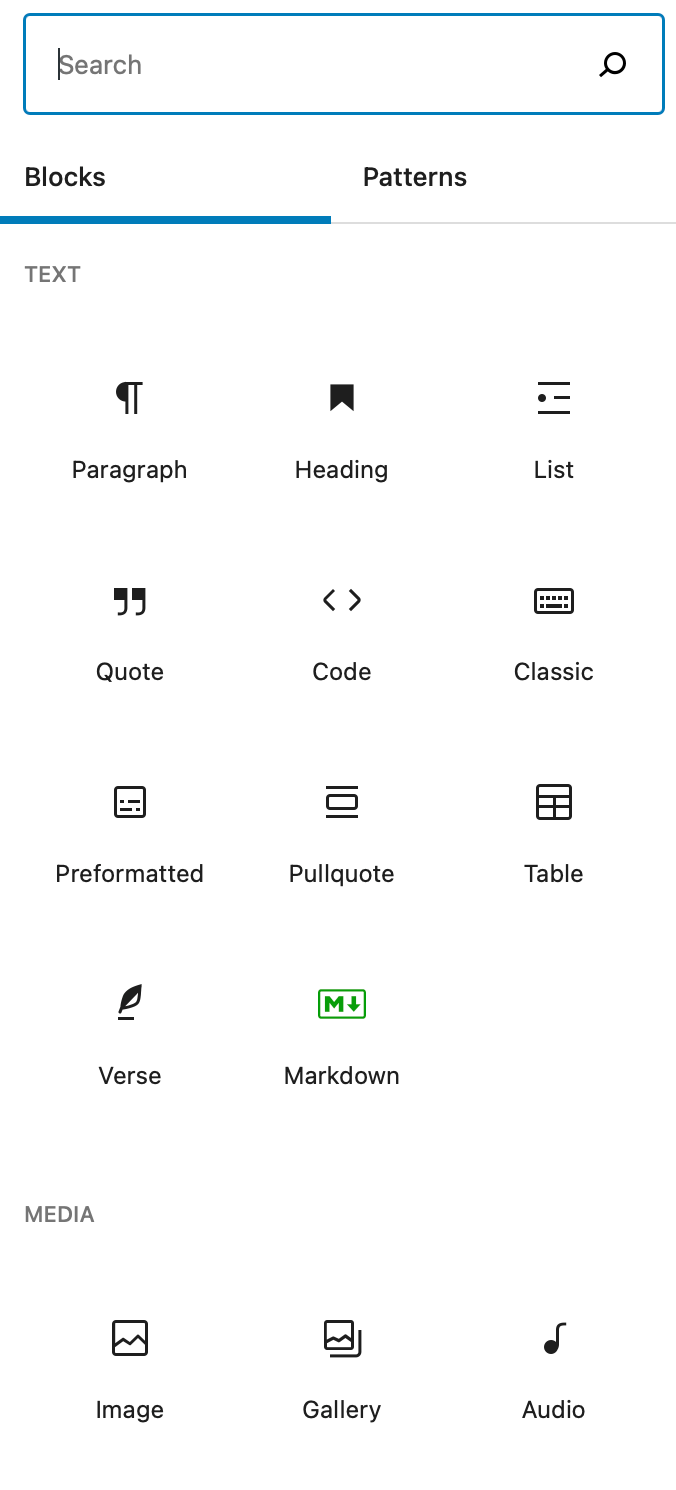
What problem does non-standardization of blocks cause for users and developers?
Currently, each app that uses blocks—whether it’s a blog platform, a CMS, or a note-taking tool—has to implement every block from scratch. If you’re a developer, you must code a calendar block, an image gallery block, a Kanban board block, and so on, just to offer basic functionality. This is time-consuming and often leads to incomplete or low-quality blocks. For users, the result is a frustrating experience: they might see a fancy block in another app but can’t use it in their current editor. Blocks are locked inside their original systems, unable to be shared or moved. For example, a project management block you love in Notion won’t work in WordPress. Users are limited to whatever blocks their app’s developers had time to build, creating a walled garden. This lack of interoperability stifles innovation and forces repetitive work, making the web less open and more fragmented—the exact opposite of what the internet should be.
What is the Block Protocol, and how does it aim to solve this?
The Block Protocol is an open, free, non-proprietary specification that standardizes how blocks communicate with the applications that embed them. Think of it as a universal adapter: any block that conforms to the protocol can be used in any compliant editor or CMS, just like how a USB device works with any USB port. The protocol defines a simple API that the embedding application (the host) and the block use to exchange data and events. This way, an app developer only needs to implement the host side once to support a universe of blocks. Meanwhile, block developers can write a block one time and have it work everywhere—on blogs, note-taking apps, or even custom dashboards. The Block Protocol is still in early draft stage, but the goal is to foster a community-driven ecosystem where blocks become interchangeable commodities. It’s fully open-source, and sample code is available to help developers get started.
How does the Block Protocol technically work?
At its core, the Block Protocol defines a contract between a “host” (the app that renders the page) and a “block” (a self-contained component). The block is typically a web component or iframe that receives structured data and sends user interactions back. For example, when you insert a calendar block, the host passes the block the current date and any existing events via a standardized message format. The block renders its UI and, when the user modifies an event, sends an update back to the host. The host then saves that data. The protocol also handles resizing, focus, and styling hints. Importantly, it doesn’t dictate how the block looks—only how it communicates. This allows maximum flexibility for creativity. The current draft includes a simple JSON-based API, and blocks can be built with any JavaScript framework. By following these rules, any block from any developer automatically becomes compatible with any host that supports the protocol, eliminating the need for custom integrations.

What types of content can be turned into a block under this protocol?
Almost anything that makes sense in a document or on the web can become a block. This includes simple text elements like paragraphs, lists, and headings, as well as rich media such as images, videos, and audio players. More complex examples include interactive widgets like order forms, calendars, Kanban boards, mind maps, or even embedded maps. The protocol is designed to handle structured data, so you could have a block that displays a GitHub repo, a weather forecast, or a live stock ticker. Even collaborative elements like a poll or a survey are possible. The key requirement is that the block communicates with the host through the defined interface. There’s no limit on the type of content—if you can render it in a web page, you can wrap it as a block. This opens the door for a vast library of community-built blocks, from productivity tools to entertainment widgets, all interoperable across platforms.
How do developers and users benefit from the Block Protocol?
Developers benefit by drastically reducing duplication of effort. Instead of building a dozen block types for their app, they can implement the host side once and instantly gain access to hundreds of blocks created by the community. This lets them focus on core features while offering users rich content options. Block authors, on the other hand, can write a block once and distribute it to multiple platforms, reaching a wider audience without extra work. For users, the benefit is freedom of choice: they are no longer limited to the block library of a single app. They can pick the best calendar block from one developer, the best image gallery from another, and use them together in their favorite editor. Because the protocol is open and free, there’s no vendor lock-in. The ecosystem becomes a marketplace of innovation where quality blocks thrive. Ultimately, this makes the entire web more powerful and user-centric, breaking down the walls between walled gardens and fostering a truly interoperable creative environment.