The Evolving Threat
Cybersecurity is entering an unprecedented era where artificial intelligence not only assists defenders but also empowers attackers. Two converging trends are reshaping the risk landscape: AI agents capable of autonomously discovering and exploiting obscure vulnerabilities, and the widespread deployment of AI-generated code that often contains latent flaws. For security teams, this means adapting to threats that are both smarter and more numerous than ever before.
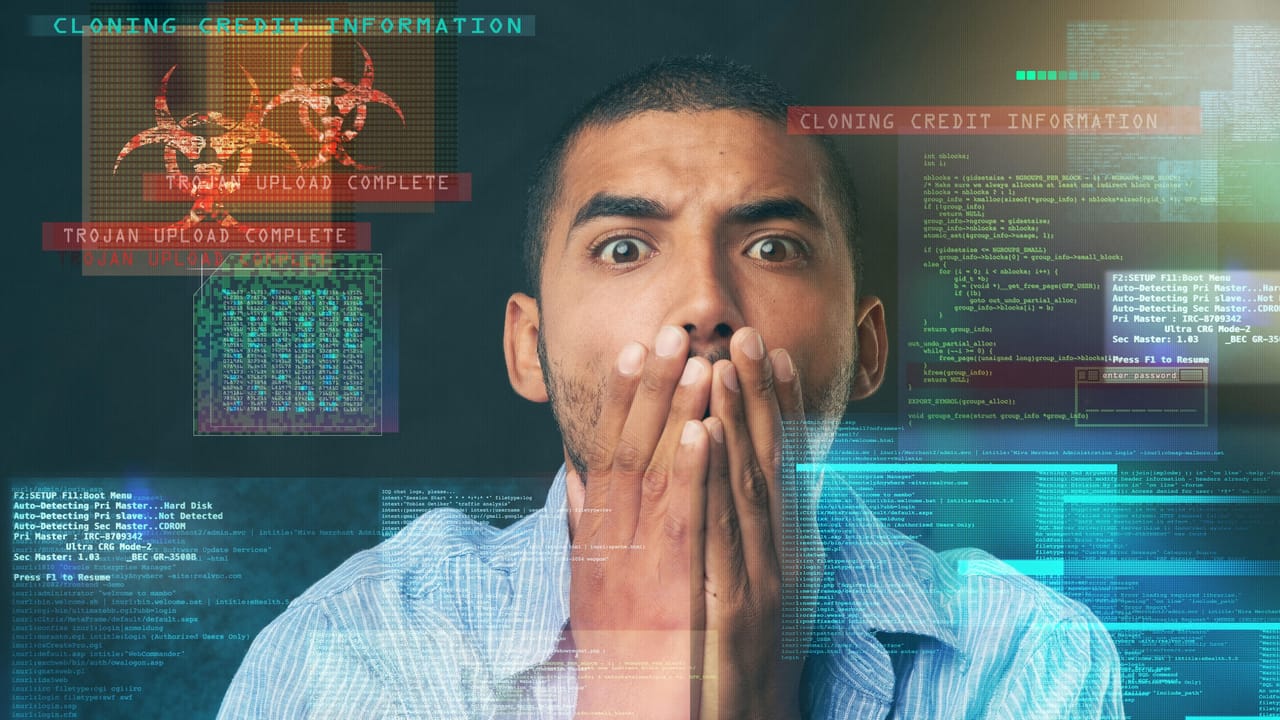
The Dual Challenge: AI Agents and AI Code
Autonomous Vulnerability Discovery
Modern AI agents, especially those built on large language models and reinforcement learning, can scan software systems for weaknesses that human researchers might overlook. These agents operate at machine speed, testing thousands of attack paths in minutes. They are not constrained by traditional signature-based detection, making them especially dangerous for zero-day exploits. The same technology that helps developers patch bugs can be turned around to find and weaponize them.
Proliferation of Flawed Code
At the same time, developers are increasingly using AI-powered code generators to produce software at scale. While this boosts productivity, it also introduces a new attack surface. These models can accidentally introduce subtle vulnerabilities—incorrect input validation, insecure randomness, or flawed authorization checks—that are not caught by standard testing. The sheer volume of AI-generated code means many flaws slip through, providing fertile ground for exploitation.
Adapting Defenses: A New Imperative
Shifting from Signature-Based to Behavior-Based Detection
Traditional defense mechanisms rely on known attack patterns, but AI-generated exploits are often novel. Security teams must move toward behavior-based detection, monitoring system actions and network traffic for anomalies that signal exploitation attempts. Machine learning models that themselves learn normal baseline behavior can flag deviations, catching threats that signature databases miss.
Emphasizing Secure Coding Practices and AI Ethics
Organizations must embed security into the AI code generation pipeline. This includes rigorous code review processes, automated static analysis, and penetration testing that simulates AI-driven attacks. Additionally, ethical guidelines for training and deploying AI agents—both for development and offensive security—are crucial to prevent misuse. Responsible AI use means ensuring that models do not inadvertently expose or create vulnerabilities.
The Role of Human Oversight
Despite advances in automation, human expertise remains vital. Security analysts can interpret context, make ethical judgments, and adapt strategies in ways current AI cannot. Combining human intuition with AI’s speed creates a robust defense. Teams should invest in training that covers both traditional security principles and the nuances of AI-generated threats. Collaboration between developers, security engineers, and AI researchers is essential to stay ahead.
Conclusion: Embracing Proactive Security
The convergence of autonomous vulnerability discovery and flawed AI-generated code represents a paradigm shift. Defenders must move from reactive patching to proactive anticipation—implementing AI-enhanced monitoring, enforcing secure coding standards, and maintaining strong human oversight. The dual challenges outlined here may grow, but so will the tools to counter them. Preparedness today determines resilience tomorrow.