Microsoft's April 2026 Patch Tuesday delivered a staggering 167 security fixes, including a zero-day in SharePoint Server and a publicly disclosed bug in Windows Defender. Google Chrome also patched its fourth zero-day of the year, while Adobe released an emergency update for Reader. Experts weigh in on the record-breaking number of vulnerabilities and the increasing impact of AI on security.
How big was Microsoft's April 2026 Patch Tuesday?
Microsoft addressed a total of 167 vulnerabilities across Windows and related software, making it the second-largest Patch Tuesday ever, according to Satnam Narang of Tenable. Adam Barnett from Rapid7 called it "a new record in that category" because nearly 60 of those flaws were in Microsoft Edge and other browser components. This surge is partly attributed to the announcement of Anthropic's Project Glasswing, an AI tool designed to find bugs. However, Barnett notes that many of these issues were already reported by Chromium maintainers and published earlier, suggesting that AI is simply amplifying the rate at which vulnerabilities are discovered.

What is the SharePoint Server zero-day (CVE-2026-32201) and how is it being exploited?
CVE-2026-32201 is a spoofing vulnerability in Microsoft SharePoint Server that allows attackers to impersonate trusted content or interfaces. Mike Walters of Action1 warns it can be used for phishing, data manipulation, or social engineering—all within an organization's trusted SharePoint environment. Microsoft confirmed active exploitation, meaning attackers are already leveraging this flaw to deceive employees, partners, or customers. Because SharePoint is widely used for collaboration, the risk is significant, and organizations should prioritize patching this vulnerability.
What is BlueHammer (CVE-2026-33825) and what's the story behind it?
BlueHammer is a privilege escalation vulnerability in Windows Defender (CVE-2026-33825). According to BleepingComputer, the researcher who discovered it published exploit code after becoming frustrated with Microsoft's response. Will Dormann of Tharros confirmed that applying the April patches makes that public exploit code ineffective. This situation highlights the tension between security researchers and vendors over disclosure timelines, but also underscores the importance of installing updates promptly to close known attack vectors.
What other major security updates arrived in April 2026?
Beyond Microsoft, Google released its fourth Chrome zero-day fix of 2026—an indication of ongoing active threats targeting the browser. Adobe also issued an emergency update for Reader (CVE-2026-34621) to patch an actively exploited remote code execution flaw that has been under attack since at least November 2025. These updates are critical because they address vulnerabilities that attackers are already using in the wild, often before many users have applied patches.
How is AI contributing to the rise in vulnerabilities?
The announcement of Anthropic's Project Glasswing—a much-hyped AI capability for finding software bugs—coincided with the spike in vulnerability reports. Adam Barnett of Rapid7 suggested that while it's tempting to blame the increase on a single tool, the real driver is the growing use of AI models across the security industry. These models are becoming more capable and accessible, leading to a steady increase in vulnerability discovery. We should expect this trend to continue, with AI both helping defenders and potentially enabling attackers to find flaws more efficiently.
What should users do to stay protected after this Patch Tuesday?
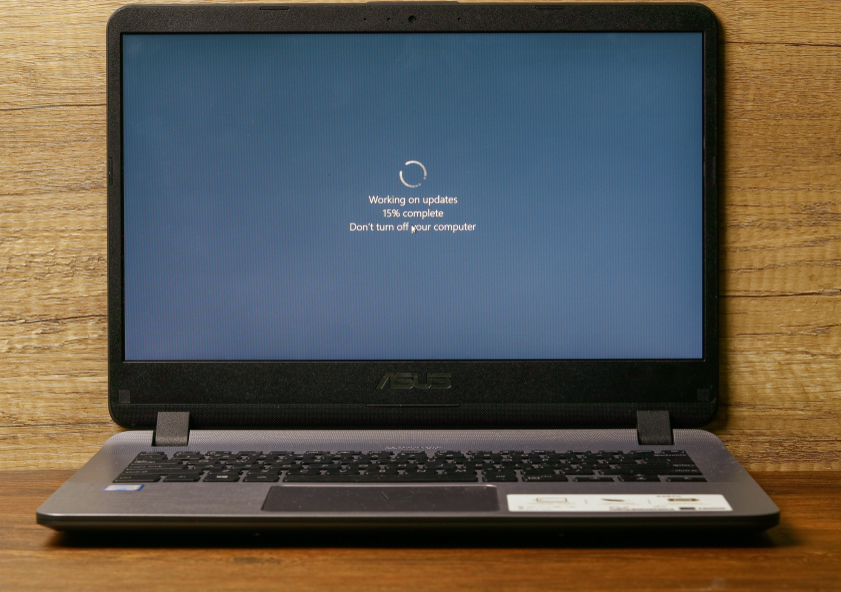
Applying the latest updates is the most important step—especially for SharePoint, Windows Defender, Chrome, and Adobe Reader. For browser security, simply updating is not enough; you must completely close and restart your browser to ensure the patches take effect. Regularly restarting your device also helps finalize OS updates. Additionally, remain vigilant against phishing attempts that may exploit the SharePoint vulnerability, and consider using multi-factor authentication to reduce the risk of credential theft.