In the wake of a deadly hantavirus cluster aboard an Atlantic cruise, prediction markets have seen a surge of bets worth over $3 million on whether the virus will trigger a global outbreak, sparking concerns about the financialization of public health emergencies.
At least three passengers on Oceanwide Expeditions’ cruise have died, and several others have tested positive for hantavirus, a rare but severe rodent-borne illness. Polymarket and Kalshi users are now wagering on official World Health Organization designations, turning the agency into an arbiter of financial outcomes.
Key Markets and Stakes
On Polymarket, users have invested approximately $3 million betting on whether the WHO will declare a hantavirus pandemic by 2026. Kalshi has seen about $170,000 in wagers on a Public Health Emergency of International Concern (PHEIC) declaration.
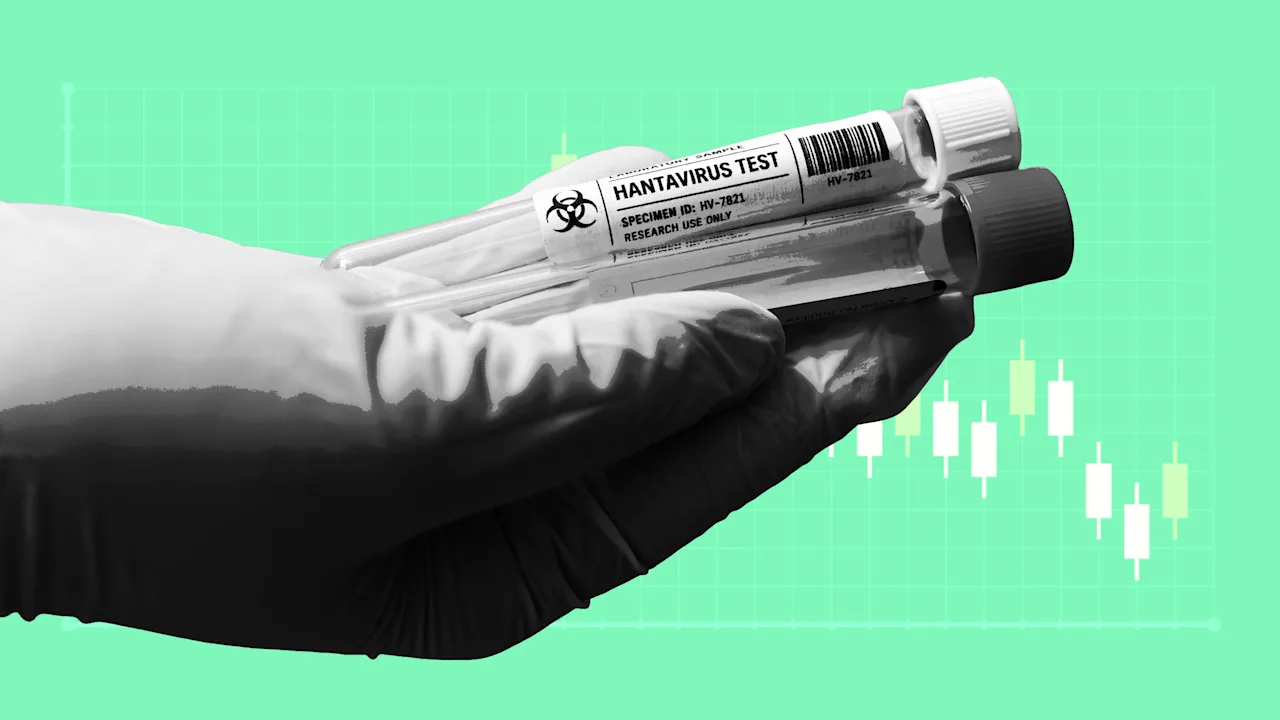
“These markets effectively outsource financial judgment to a single institution—the WHO—which was never designed to settle bets,” said Dr. Elena Marchetti, a public health policy analyst at Georgetown University. “It creates a dangerous feedback loop where disease classification becomes a gambling event.”
Background
Hantavirus, first identified in the 1950s, causes severe respiratory illness and has a fatality rate of up to 38% in some strains. The current outbreak began in early March when multiple passengers on a 10-day Antarctic cruise reported flu-like symptoms; tests later confirmed hantavirus infection.
The cruise, operated by Oceanwide Expeditions, carried 150 passengers and crew. Health authorities in Chile and Argentina are tracking contacts, but no secondary cases have been reported outside the ship. The WHO has not yet commented on a potential PHEIC.
What This Means
The rise of prediction markets like Polymarket and Kalshi signals a broader trend of financializing uncertainty. However, relying on the WHO for payout triggers may undermine trust in the agency—especially after the U.S. withdrew from the organization earlier this year.
“We’re seeing a paradox: people distrust institutions but are forced to rely on them for their bets,” noted James Tran, a risk analyst at the University of Chicago. “These markets also create perverse incentives, as losers have already filed complaints with the FTC about outcome adjudications.”
A spokesperson for Kalshi emphasized that the markets are designed to help people hedge risks, not to manipulate public health decisions. Yet critics argue that such wagering could delay or alter official declarations if market participants game the system.
— Reporting contributed by Fast Company. This story will be updated as the situation develops.