Overview
Imagine turning two of the most stubborn waste streams—plastic trash and spent lead-acid car batteries—into a clean fuel like hydrogen. Researchers have developed a circular upcycling system that does exactly that. By combining battery acid (sulfuric acid) with solar-powered electrolysis, they can break down hard-to-recycle plastics and generate hydrogen gas. This tutorial will guide you through the process from a conceptual and practical standpoint, explaining the chemistry, equipment, and steps involved. Whether you're a curious hobbyist or a sustainability professional, you'll learn how this innovative approach tackles multiple environmental problems at once.
Prerequisites
Materials and Chemicals
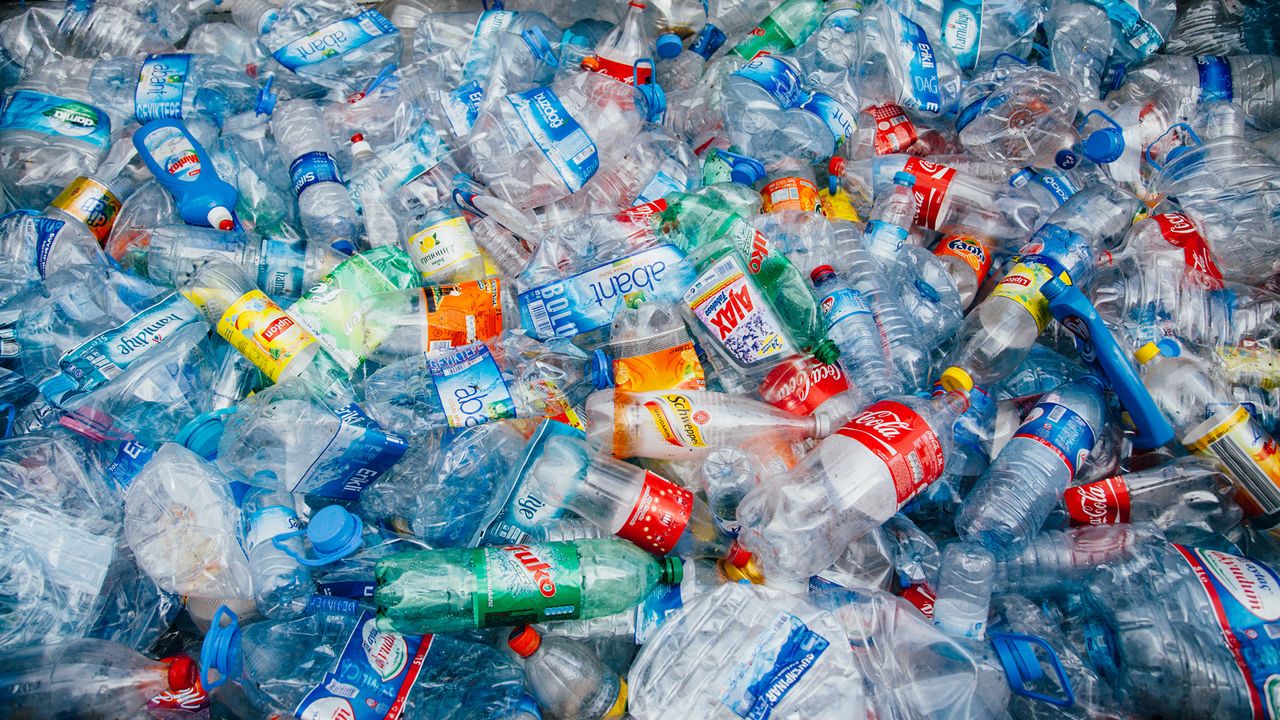
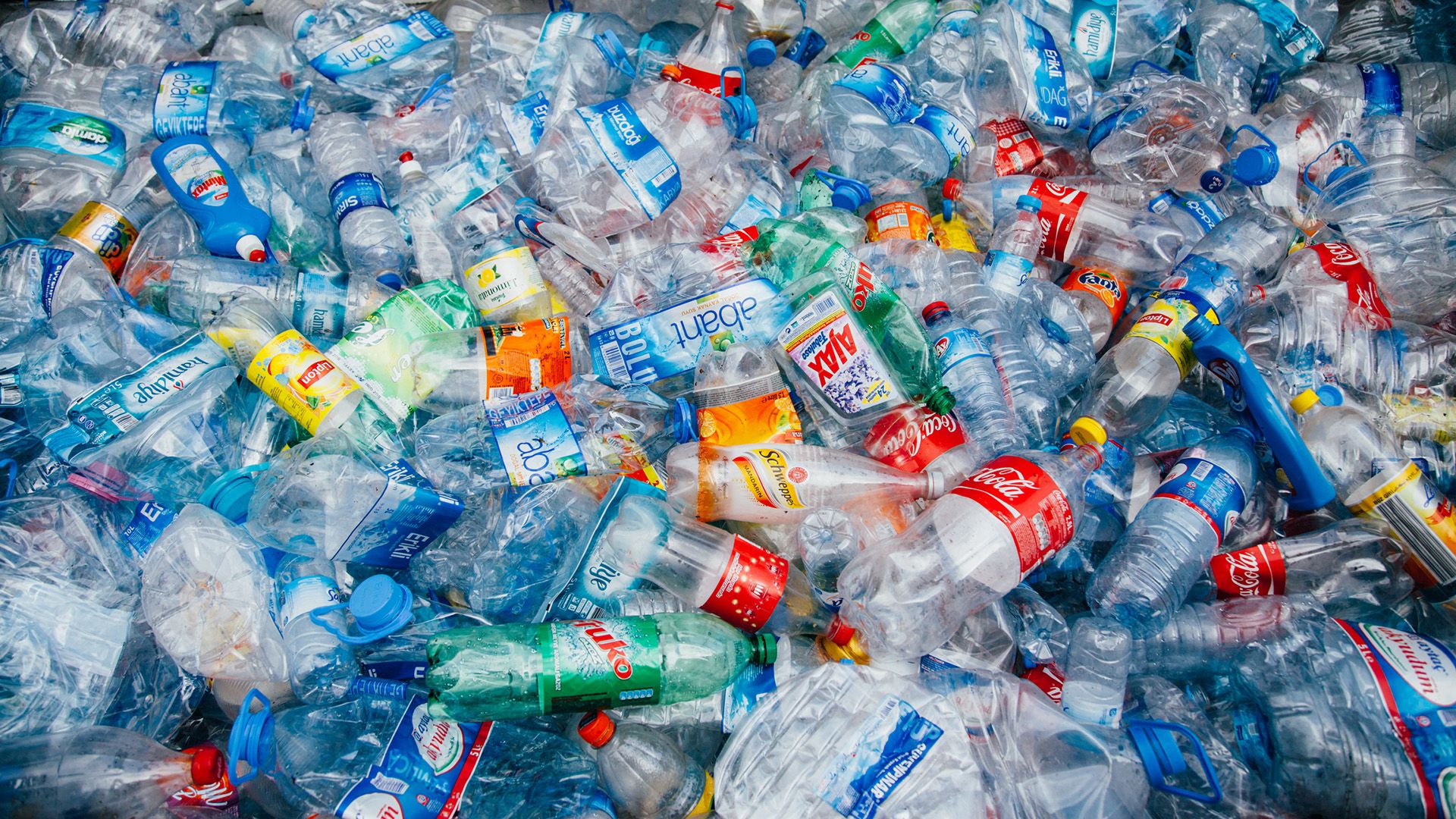
- Plastic waste: Polyethylene (PE) or polypropylene (PP) are ideal. Avoid PVC or PET due to chlorine and oxygen content that can produce toxic byproducts.
- Old car battery: A lead-acid battery from a vehicle (12V). The acid is ~35% sulfuric acid (H₂SO₄). Use only from a dead battery to avoid damaging a functioning one.
- Distilled water: For diluting acid and rinsing.
- Electrodes: Inert materials like platinum‑coated titanium or graphite rods. Do not use copper or iron—they corrode.
- Solar panel: A 100W‑200W panel producing 12‑24V DC. Sufficient for small‑scale electrolysis.
- Charge controller: To regulate voltage from the solar panel (optional but recommended).
- Gas collection system: Inverted graduated cylinder or gas syringe filled with water to capture hydrogen.
- Safety gear: Acid‑resistant gloves, goggles, lab coat, and a fume hood or well‑ventilated area.
Tools
- Heat‑resistant glass beaker (500 mL)
- Hot plate or sand bath
- pH meter or indicator strips
- Plastic shredder or scissors
- Magnetic stirrer (optional)
- Connecting wires with alligator clips
Step‑by‑Step Instructions
Step 1: Recover Battery Acid
Safety first: Wear gloves and goggles. Work in a ventilated area. Lead‑acid batteries contain corrosive acid and lead compounds.
- Place the old battery on a stable surface. Using a screwdriver, carefully pry open the caps if present.
- Using a turkey baster or pipette, extract the acid from each cell. Collect it in a glass container. Expect about 1‑2 liters for a standard car battery.
- Filter the acid through a coffee filter to remove precipitated lead sulfate. The filtered acid is now ready for use.
- Dispose of the battery casing and lead plates responsibly at a recycling center.
Note: The acid concentration is ~35%. For electrolysis, you may need to dilute it to 10‑20% H₂SO₄ by adding distilled water slowly. Always add acid to water, never water to acid.
Step 2: Prepare Plastic Feedstock
Choose polyolefin plastics (PE, PP)—these are common in packaging and hard to recycle mechanically. Remove labels, adhesives, and any metal parts.
- Shred the plastic into small pieces (less than 5 mm) using a shredder or scissors. Smaller surface area aids reaction.
- Wash the shreds with warm soapy water, then rinse with distilled water. Dry completely.
- Optional: For better results, perform a depolymerization pre‑treatment: heat the plastic in a sealed tube at 300 °C for 30 minutes in the absence of oxygen to produce oil/wax. However, the direct method without pre‑treatment also works.
Step 3: Set Up the Solar‑Powered Electrolysis System
The core reaction: At the anode, plastic (simplified as CH₂) reacts with water to form CO₂ and H⁺. At the cathode, H⁺ reduces to H₂ gas. Sulfuric acid provides conductivity and helps break C‑C bonds.
- Place 200 mL of diluted battery acid (10‑20% H₂SO₄) into a 500 mL glass beaker.
- Add 5‑10 grams of shredded plastic. Stir to suspend the plastic. The plastic will not dissolve fully; it remains as a slurry.
- Insert two electrodes into the solution. Ensure they are not touching each other. Connect one electrode to the anode (+) and one to the cathode (−) using wires.
- Connect the wires to the solar panel output (via charge controller if used). If no solar panel, you can use a DC power supply set to 12V for testing, but the tutorial assumes solar.
- Place the gas collection system (inverted graduated cylinder filled with water) over the cathode. Bubbles of hydrogen will rise.
- Place the beaker on a hot plate and heat to about 60‑80 °C. This temperature accelerates the reaction without boiling the acid.
- Turn on the solar panel. You should see bubbles forming at both electrodes within minutes. Hydrogen collects at the cathode.
Step 4: Monitor and Collect Hydrogen
The reaction continues as long as there is sunlight and plastic. Check the system every 30 minutes.
- Observe gas volume in the collection cylinder. Pure hydrogen is colorless and odorless.
- If gas production slows, you may need to stir the solution to expose fresh plastic surface.
- After 4‑6 hours, most of the plastic should be consumed. The solution will turn darker due to carbon particles.
- Disconnect the electrodes. Carefully drain the remaining acid (can be reused with filtration). Rinse the electrodes with distilled water.
Step 5: Purify and Store Hydrogen
The collected gas may contain trace acid mist and CO₂.
- Pass the gas through a water bubbler to remove acid droplets.
- For CO₂ removal, pass through a column of calcium hydroxide (limewater) or sodium hydroxide solution.
- Store hydrogen in a gas‑tight bag or cylinder. Hydrogen is highly flammable—keep away from flames and sparks.
Common Mistakes
Using Wrong Plastic Types
Plastics with chlorine (PVC) produce HCl, which corrodes electrodes and creates toxic fumes. Oxygen‑containing plastics (PET) can form acids that reduce hydrogen purity. Stick to PE and PP.
Skipping Acid Dilution
Concentrated battery acid (35%+) is too corrosive and can damage electrodes. Always dilute to 10‑20% with distilled water. Test pH – it should be below 1, but not extremely low.
Insufficient Electrode Surface Area
Small electrodes slow the reaction. Use plates or rods with at least 5 cm² immersed. Foul electrodes can be cleaned by dipping in dilute HCl.
Ignoring Temperature Control
At room temperature, the reaction is very slow. Heating to 60‑80 °C significantly improves rate. Do not exceed 100 °C as water boils and acid splashes.
Hydrogen Safety Neglect
Hydrogen is explosive at 4‑74% in air. Never test with an open flame. Use a fume hood and ensure no electrical sparks near the collection area.
Summary
This tutorial outlines a laboratory‑scale method to convert hard‑to‑recycle plastic waste into clean hydrogen using old car battery acid and solar power. By recovering sulfuric acid from spent lead‑acid batteries, you create an electrolyte that enables electrolytic decomposition of polyolefin plastics. The process yields hydrogen gas, which can be used as a fuel or chemical feedstock, while diverting plastic from landfills and acid from hazardous waste. With careful safety precautions and the right materials, it demonstrates a truly circular upcycling system that tackles two waste streams at once.